Ruby Bridges Elementary as part of Alameda Unified School District in Alameda, California, students, staff, and families are embracing a bold mission: to make school lunches as sustainable as they are satisfying. With a deep commitment to environmental stewardship and community values, Ruby Bridges’ cafeteria has become a model for what’s possible when schools prioritize reuse over waste.
From Disposable to Dependable: The Tray Transformation
For years, students at Ruby Bridges had lunch on disposable trays—lightweight and convenient, yet notoriously wasteful. Single-use disposables teach students that throwing away items after one use is acceptable, and this works against the broader zero-waste goals of Ruby Bridges Elementary.
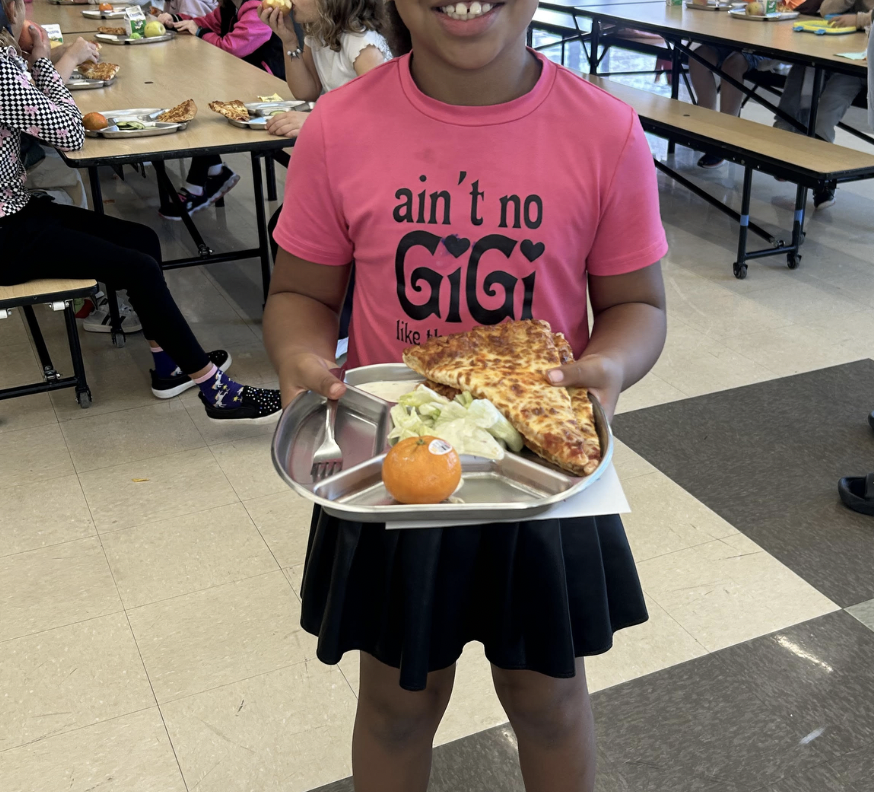
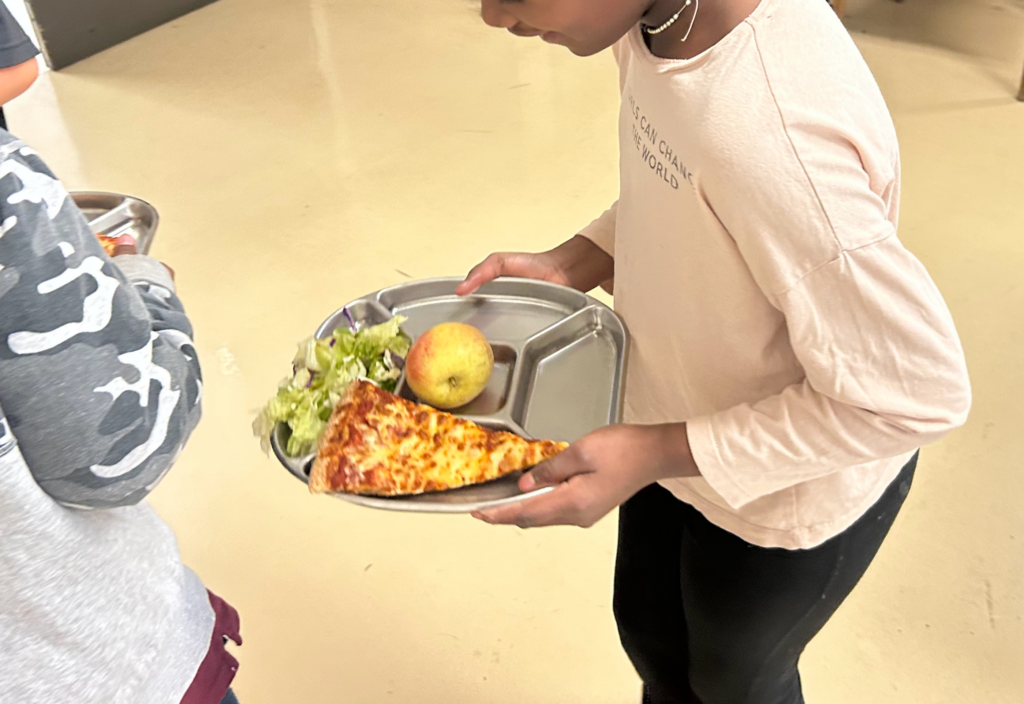
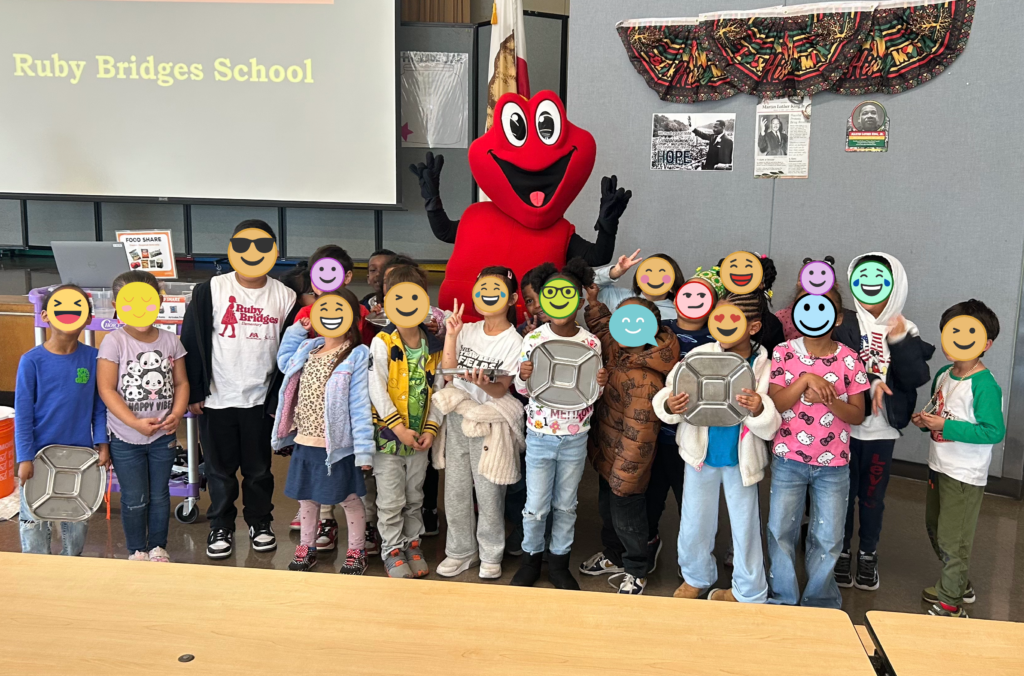
That changed when the school adopted stainless steel trays from We ReUse—a U.S.-made solution designed for durability and sustainability. Unlike single-use trays, these stainless-steel counterparts are intended to last for years, reducing waste and setting an example of responsible consumption for students. Ben Schleifer, Boundless Reuse Consulting, and members from StopWaste, Alameda County, coordinated this effort by educating the students on the benefits of reuse. This transformation was made possible by Plastic Free America, StopWaste, City of Alameda and Alameda Nutrition Department, which subsidized the school’s purchase of these trays.
Here’s what makes this shift so exciting:
- Durable & Long-Lasting: The stainless-steel trays hold up to daily use, washing, and handling without cracking or warping.
- Manufactured in the USA: All We ReUse products are proudly made domestically, supporting American jobs and minimizing transportation emissions.
- 100% Reusable: Designed to reduce the school’s environmental footprint by eliminating the need for disposable trays entirely.
- Stop the Waste: By switching to reusables, this school will eliminate the following from the landfills EVERY YEAR!
- 54,000 Disposable Trays
- 30,600 Disposable Plastic Items
- 3,500 Pounds of Waste
A Cafeteria Culture Built on Reuse
Switching to reusable trays was just the beginning. Ruby Bridges Elementary has woven the principle of “reuse first” into the fabric of its cafeteria routine:
- Reusable Utensils: Students use washable forks and spoons instead of disposable plastic cutlery.
- Efficient Cleaning Systems: Cafeteria staff have implemented an off-site easy process to collect, wash, and return trays and utensils.
- Student Engagement: The change has sparked conversations about waste, consumption, and environmental responsibility—bringing sustainability lessons from textbooks to the lunch table.
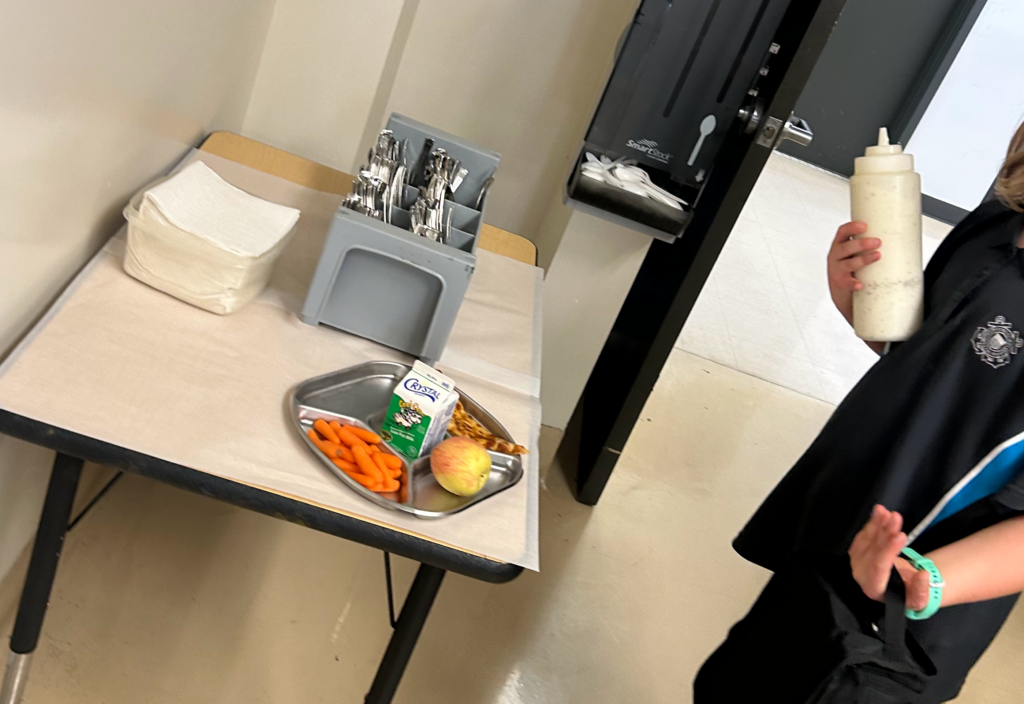
Ruby Bridges Elementary switches to stainless steel trays and utensils
Principal and cafeteria leaders have noticed something powerful: students take pride in caring for their trays and utensils. What started as a logistical upgrade has blossomed into a community effort, where kids feel ownership over their environment and are motivated to make greener choices.
Lessons Beyond the Lunchroom
Ruby Bridges’ transition isn’t just about swapping one product for another—it’s about instilling values. Through this shift, students learn:
- The impact of their choices: Understanding how everyday decisions affect the planet.
- The importance of community solutions: Recognizing that collective action—like embracing reusable trays—makes a real difference.
- Responsibility and stewardship: Carrying sustainable habits beyond the cafeteria and into home, school, and future endeavors.
Why We ReUse Matters
We ReUse, the company behind the stainless-steel trays, shares Ruby Bridges’ vision of reducing single-use waste. By manufacturing everything in the USA, they ensure high quality, ethical production, and reduced supply chain emissions. Their products are more than tools—they’re a statement that sustainability and practicality can go hand in hand.
Looking Forward to a Sustainability Journey
StopWaste works with students, teachers, and school district staff across Alameda County to become leaders in waste prevention. Ruby Bridges Elementary’s sustainability journey continues. With reusable trays and utensils now the norm, the school is exploring additional ways to reduce waste, conserve resources, and educate the next generation of environmental champions.
By rethinking something as simple as a lunch tray, Ruby Bridges is teaching a bigger lesson: that every choice matters—and that schools can be powerful platforms for positive change.
If you are interested in stopping waste and helping a school switch to reusable foodware, click here to learn where your donation can make an impact with Plastic Free America.