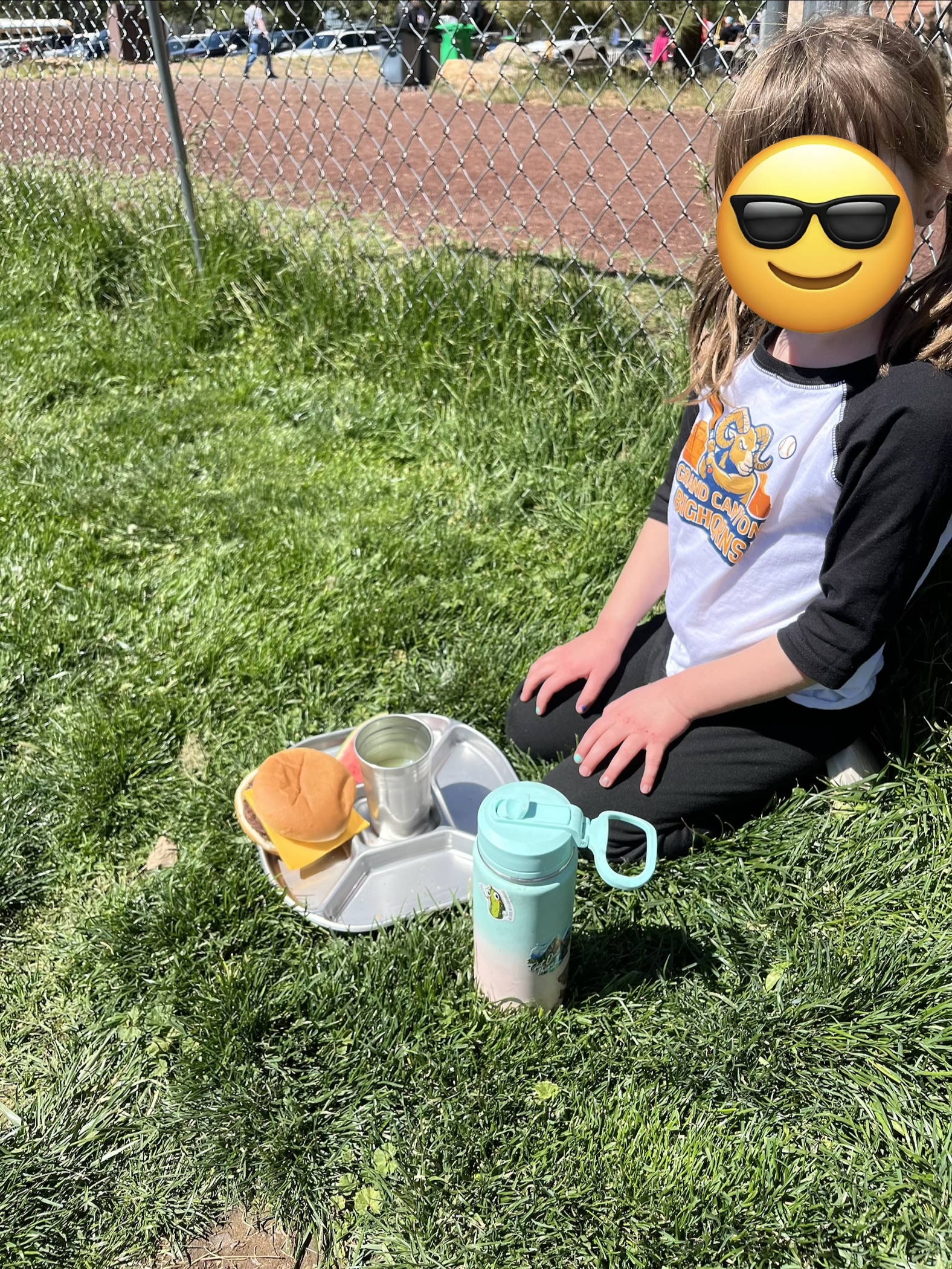
At Grand Canyon Unified School District, sustainability isn’t just something students learn about in the classroom—it’s becoming part of everyday life in the cafeteria.
By transitioning from disposable foodware to reusable trays and sporks made by We ReUse, Grand Canyon School District is taking an important step toward reducing waste, conserving resources, and creating a cleaner future for students and the surrounding community.
Located in one of the world’s most treasured natural environments, the Grand Canyon Unified School District has a unique opportunity to demonstrate environmental stewardship in action. The district’s move to reusable foodware aligns with the values of protecting natural resources while teaching students the importance of responsible consumption.
“Living and learning on the doorstep of one of the world’s greatest natural wonders gives us a unique responsibility. By partnering with We ReUse, we’ve transformed a routine school lunch into a powerful act of conversation. Eliminating thousands of pieces of plastic and Styrofoam does more than keep hundreds of pounds of waste out of landfills – it proves to our students that they aren’t just learning about a cleaner future, they are actively building it!” – Thomas Washington, EL Coordinator | Achievement Testing | Construction Trades Teacher
Supporting Made-in-the-USA Foodware
An added benefit of the transition was the opportunity to support American manufacturing. School leaders and students were excited to implement reusable foodware made in the USA by We ReUse, reinforcing their commitment to both environmental responsibility and supporting domestic jobs and manufacturing.
Reducing Waste, One Meal at a Time
Every day, schools across the country generate significant amounts of cafeteria waste from disposable trays, utensils, and packaging. By choosing reusable foodware, Grand Canyon School District is dramatically reducing the amount of material sent to landfills.
The district’s middle school and high school are now diverting 17,712 Styrofoam trays and 42,336 plastic utensils from the waste stream every year. Together, that prevents approximately 650 pounds of waste annually from ending up in landfills. The We ReUse trays and sporks were subsidized by Plastic Free America. Their mission is to eliminate petroleum-based, single-use plastic, and Plastic Free America has diverted over 18 million plastic items to date.
Instead of single-use items that are discarded after just one meal, reusable products can be used hundreds or even thousands of times, creating a lasting positive impact on the environment.
Creating a Better Student Cafeteria Experience
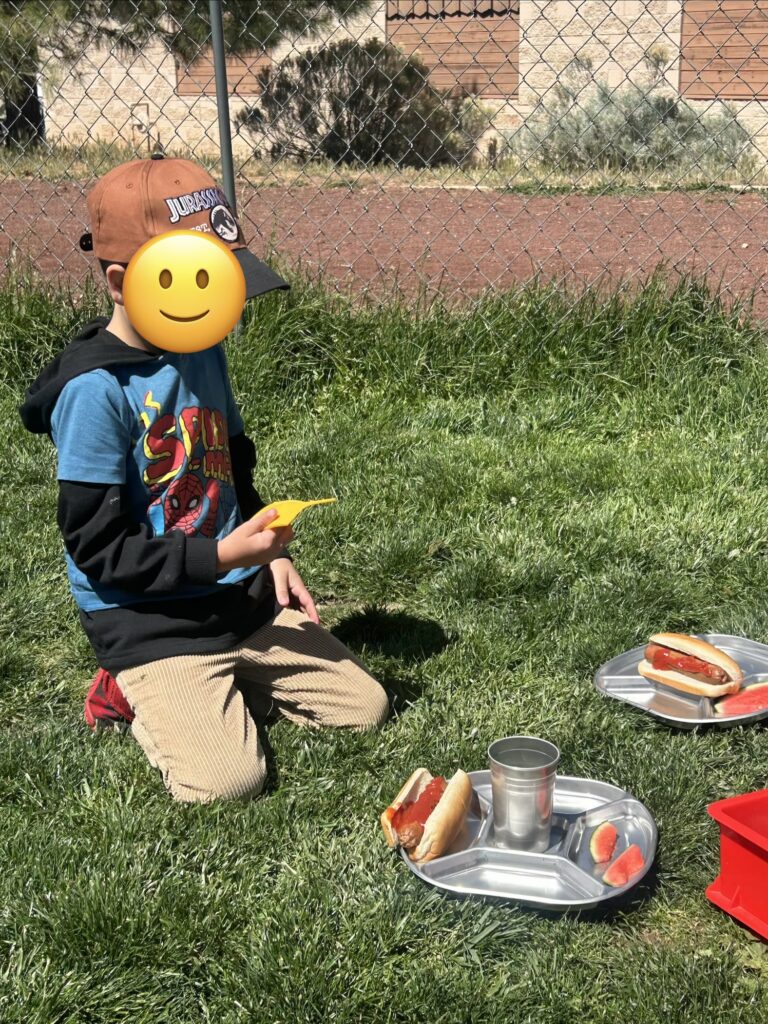
Reusable foodware doesn’t just reduce waste—it also creates a more welcoming dining experience for students. Durable trays and utensils provide a cafeteria environment that feels more like a community dining space and less like a disposable system.
Students now participate in a system that emphasizes responsibility, stewardship, and sustainability through everyday actions. What may seem like a simple change in the cafeteria becomes a powerful lesson about resource conservation and environmental impact.
Teaching Sustainability Through Action
One of the most valuable outcomes of this transition is the example it sets for students. Sustainability becomes tangible when students see firsthand how reusable products can replace thousands of disposable items each year.
Every lunch served on reusable foodware reinforces an important message: small daily choices can have a meaningful impact on the environment. The reduction of more than 60,000 disposable items annually demonstrates how collective action can create measurable results.
A Lunch Model for Other School Districts
Grand Canyon Unified School District’s commitment to reusable cafeteria foodware demonstrates that schools of all sizes can make meaningful changes that benefit students, budgets, and the planet.
By eliminating thousands of disposable trays and utensils each year, the district is proving that sustainability initiatives can be practical, measurable, and impactful. Other schools looking to reduce waste can look to Grand Canyon as an example of how a simple operational change can generate significant environmental benefits.
The transition to reusables is more than a cafeteria change—it’s an investment in the next generation and a powerful reminder that sustainable practices can begin with something as simple as lunch.